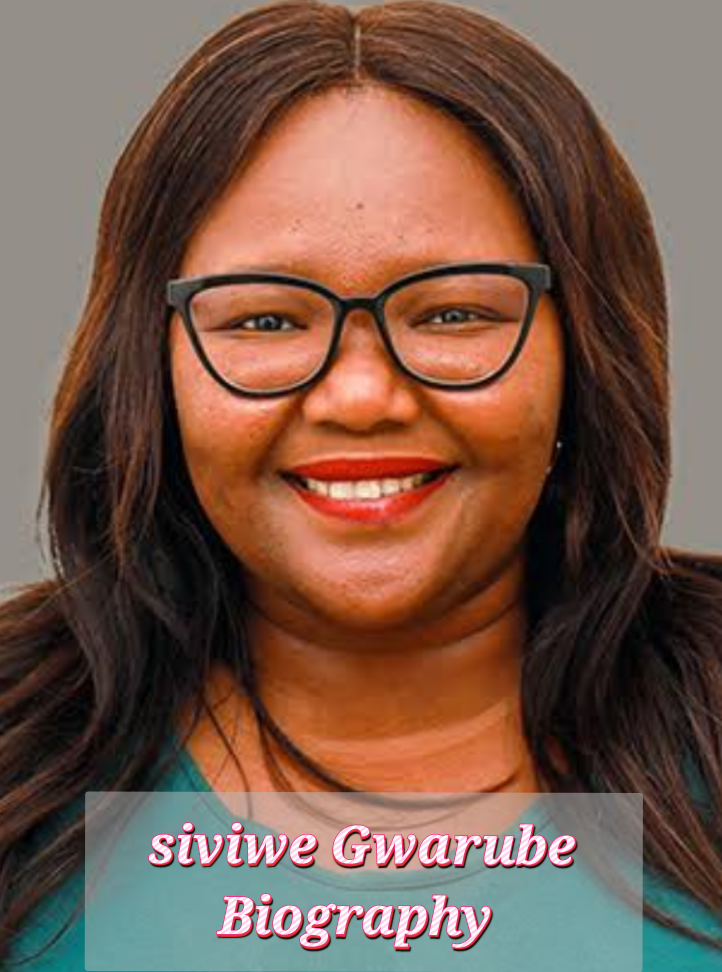
Siviwe Gwarube Biography
Siviwe Gwarube serves as the Minister of Basic Education in South Africa. She joined the Government of National Unity in July 2024. At that time she became one of the youngest people ever to hold a cabinet position in the country. Her story shows how a person from a small village can reach high levels of public service through hard work and clear goals.
Many South Africans want to know more about her journey. This article shares facts about her life, education, and political work. Readers will learn how she moved from early roles in communication to key positions in parliament. The information comes from public records and official sources. It aims to give a clear picture of her contributions to politics and education. By the end, you will understand why her path matters for the future of the country.
Siviwe Gwarube belongs to the Democratic Alliance party. She has held roles such as chief whip of the opposition before her current ministerial position. Her focus often stays on better oversight in government and improved services for citizens. This biography covers her background in simple terms so that students, teachers, and ordinary readers can follow it easily.
Siviwe Gwarube Early Life and Background
Siviwe Gwarube was born on 14 July 1989 in the Eastern Cape. Her birthplace is a village called KwaMdingi near King William’s Town, now known as Qonce. She grew up in this rural area during her early years.
Her grandmother played a big part in raising her. This grandmother worked as a teacher and remained unmarried. She taught values of independence and self reliance. Many families in South Africa have similar stories where grandparents help care for children. Gwarube lived a simple village life until she turned 18. She attended Kingsridge High School for Girls in King William’s Town for her secondary education.
Life in the village included everyday activities common in rural places. She has spoken in interviews about the strong influence of her grandmother. This woman encouraged education and personal growth at a time when such choices were not always common. These early experiences helped shape Gwarube’s sense of purpose. She learned the importance of community and determination from a young age.
Growing up in the Eastern Cape gave her direct knowledge of challenges faced by many South Africans. Issues such as access to quality schooling and limited resources were part of daily reality. These realities later guided her interest in public service and policy work. She moved from this background into higher education with support from programs that assist students with financial needs.
Siviwe Gwarube Education
After finishing high school, Siviwe Gwarube studied at Rhodes University in Grahamstown. She completed a Bachelor of Arts degree with subjects in politics, law, and philosophy. She graduated in 2012. During her final year she joined the Democratic Alliance Young Leaders Programme. This step marked her first clear link to politics.
She continued her studies later. She earned an honours qualification at the University of the Western Cape. In recent years she completed a Master of Development Policy and Practice at the University of Cape Town. She finished this advanced degree while already serving in a senior parliamentary role and during an election period. This shows her commitment to learning even with a busy schedule.
Her choice of subjects combined different fields. Politics helped her understand government systems. Law gave knowledge of rules and rights. Philosophy encouraged clear thinking and ethical questions. These areas prepared her well for roles that need strong communication and policy analysis. She once considered becoming a family lawyer but changed direction after gaining experience in political communication. Financial support through student aid programs made her university studies possible.
Gwarube has noted that her education was not always easy. Like many students she balanced studies with work and other pressures. Her academic path provided both knowledge and practical skills. These skills became useful when she entered professional politics. Education remains a central theme in her public work today as she leads the basic education ministry.
Siviwe Gwarube Career
Siviwe Gwarube began her professional journey in 2012. She worked as a spokesperson for Lindiwe Mazibuko who was then the parliamentary leader of the Democratic Alliance. This position introduced her to the inner workings of parliament and media relations.
She later took on communication roles in the Western Cape Provincial Government. One important post was as spokesperson and head of ministry in the provincial Department of Health. These jobs gave her experience in government operations at the provincial level. She handled public information during important health matters.
Before the 2019 national elections she served as Executive Director of Communications for the Democratic Alliance. In this role she helped shape party messages and coordinate media efforts across the country. Her background in communications proved valuable. She could explain complex political ideas in ways that people could understand.
Her early career combined practical experience with her university training. She worked on election campaigns and responded to major national events. Colleagues have described her as professional and focused. By the time she entered parliament she already had several years of service within the party and government structures. This preparation helped her take on larger responsibilities quickly.
Siviwe Gwarube :Parliamentary Career and Rapid Rise (2019–2024)
Siviwe Gwarube entered the National Assembly after the May 2019 general election. She represented the Democratic Alliance on the national list. Her early work in parliament included service on committees and speaking on important issues.
She took the position of shadow minister of health. During this time South Africa faced the COVID-19 pandemic. She participated in debates about health policy and the proposed National Health Insurance system. She also raised concerns about reported irregularities in health department contracts during that period.
In August 2022 party leaders chose her as chief whip of the official opposition. This was a notable step. As chief whip she worked to improve how the Democratic Alliance operated in parliament. Her duties included coordinating party members, ensuring strong oversight of government actions, and supporting parliamentary processes. Commentators at the time noted her quick progress through different roles.
She also served as the party’s national spokesperson at points in her career. This allowed her to present positions on many national topics. Throughout her time in parliament she stressed the need for better accountability and effective institutions. She participated in regular question sessions and contributed to law making processes.
Her rise from new member of parliament in 2019 to chief whip in 2022 showed steady growth in responsibilities. She held the chief whip position until June 2024. On 3 July 2024 President Cyril Ramaphosa appointed her as Minister of Basic Education in the Government of National Unity. This move placed her at the center of national efforts to improve schooling across South Africa.
Siviwe Gwarube Personal Life
Siviwe Gwarube keeps some parts of her personal life private while sharing selected moments with the public. She maintains an active presence on social media platforms where she posts about work, family, and everyday topics. Her Instagram account offers glimpses into her life beyond politics.
Family remains important to her. She has spoken about her grandmother’s lasting influence and about time spent with nieces and other relatives. Like many public servants she balances a demanding schedule with personal responsibilities. She has mentioned the challenge of missing some family events because of work commitments.
She describes herself as an optimist and has noted her support for feminist principles. These values appear in how she approaches leadership and public service. She enjoys connecting with people from different backgrounds. Her village roots keep her connected to ordinary South Africans and their daily realities.
Public records do not detail extensive private family information. She focuses most public comments on policy matters and her professional duties. This approach allows her to maintain boundaries while still engaging citizens through official channels and selected personal shares.
Siviwe Gwarube Legacy
Siviwe Gwarube has already built a record of public service in her thirties. She stands as an example of a young leader in South African politics. Her appointments show that talent and preparation can open doors regardless of starting circumstances. Many young people may see her path as proof that dedication leads to opportunity.
In the education sector her work centers on practical improvements. As minister she has called for action on foundational reading and mathematics skills. She has also supported reviews of procurement processes to promote fairness and reduce risks. These steps aim to strengthen the basic education system for millions of learners.
Her time in parliament highlighted the value of strong oversight. She pushed for clearer answers from government officials and better use of public resources. Supporters credit her with bringing energy and clear communication to complex debates. Critics have raised questions about certain policies or timelines but her overall approach remains focused on delivery.
As a woman from the Eastern Cape in a senior national role she adds to the diversity of voices in cabinet. Her story contributes to a broader record of leaders who rose through party structures and provincial experience. Future historians may note her part in the early years of the Government of National Unity and efforts to improve schooling outcomes.
Conclusion
Siviwe Gwarube’s biography moves from a rural village to national leadership. Key steps include her education at Rhodes University, early communication roles, and steady rise in parliament. Her appointment as Minister of Basic Education in July 2024 marks a new chapter. She now works on one of the country’s most important portfolios.
Her journey teaches lessons about preparation, continuous learning, and service. She combines knowledge from university studies with real world experience in government. This mix helps her address policy questions with both theory and practice. South Africans will watch her progress in education reform in the coming years.
The story remains ongoing. Like any public figure she faces tests in her current role. Results will depend on teamwork across government levels and support from educators and communities. Her background gives her insight into the needs of learners from all parts of the country.
Readers can draw inspiration from her focus on growth and public duty. Education and determination opened doors for her. Similar qualities can help others in their own fields. South Africa needs many more leaders who turn personal experiences into actions that benefit the wider society.
FAQs
When was Siviwe Gwarube born?
She was born on 14 July 1989.
What position does Siviwe Gwarube hold now?
She serves as Minister of Basic Education. She started this role on 3 July 2024 in the Government of National Unity.
Which political party does she belong to?
She is a member of the Democratic Alliance.
Where did Siviwe Gwarube grow up?
She grew up in KwaMdingi village near King William’s Town in the Eastern Cape.
What did she study at university?
She completed a Bachelor of Arts in politics, law and philosophy at Rhodes University. She later earned honours at the University of the Western Cape and a Master of Development Policy and Practice at the University of Cape Town.
What was her first job in politics?
In 2012 she worked as spokesperson for the Democratic Alliance parliamentary leader Lindiwe Mazibuko.
When did she become a member of parliament?
She entered the National Assembly after the May 2019 general election.
What role did she hold before becoming minister?
She served as chief whip of the official opposition from August 2022 until June 2024.
Has she worked in health policy?
Yes. She acted as shadow minister of health and handled provincial health communication roles earlier in her career.
Why is her appointment as minister considered historic?
She became one of the youngest people to serve in the national cabinet in South Africa’s democratic period.