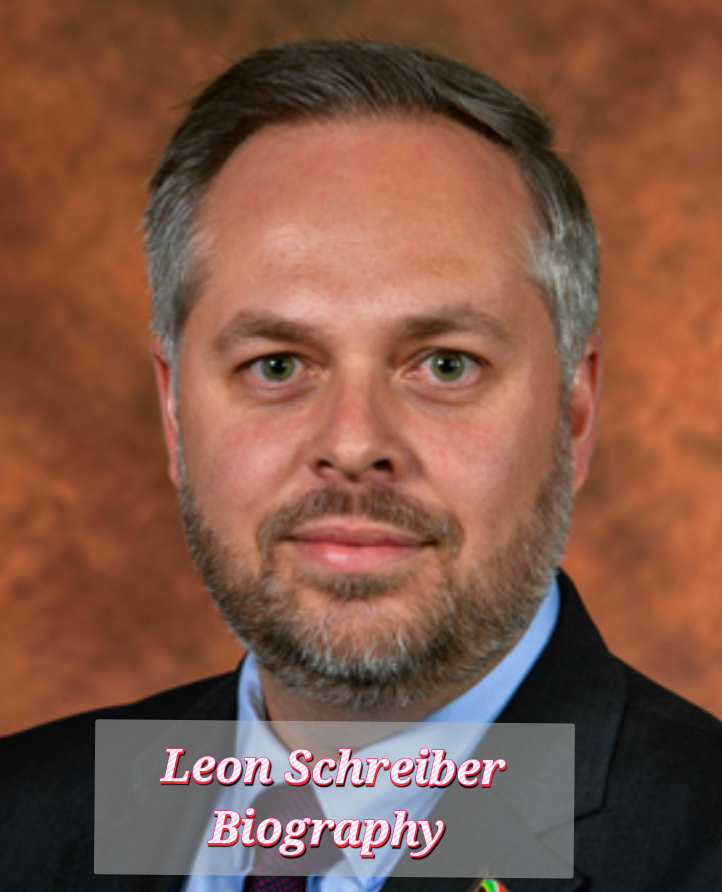
Leon Schreiber Biography
Leon Schreiber is a South African politician, writer, and researcher. He serves as the Minister of Home Affairs. Born in 1988, he has built a career that combines academic study with practical work in government and politics. Many people now see him as a key figure in efforts to improve public services in South Africa.
This article explores his life story in clear and simple terms. Readers will learn about his early years, education, career steps, and current role. The goal is to show how his background shapes his work today. Schreiber represents a new generation of leaders who bring research skills to political challenges. His story helps us understand changes in South African politics after the 2019 and 2024 elections.
Home Affairs is an important department. It handles identity documents, visas, immigration, and citizenship. Problems in this area affect daily life for many citizens and visitors. Schreiber took charge in July 2024. Since then, he has focused on practical improvements through technology and better processes. His approach comes from years of studying how governments work.
Leon Schreiber Early Life and Background
Leon Amos Schreiber was born on 11 September 1988 in Piketberg, in what is now the Western Cape province. He spent his childhood in Kleinzee, a small town in the Namaqualand region of the Northern Cape. This area is known for its mining history and open landscapes. Growing up in a smaller community likely gave him a grounded view of everyday South African life.
Details about his family remain private, as is common for many public figures. His early environment in the Northern Cape exposed him to the realities of rural and mining towns. These places often face economic changes and service delivery issues. Such experiences may have sparked his interest in how policies affect ordinary people.
South Africa in the late 1980s and 1990s went through major political shifts. The country moved from apartheid to democracy in 1994. Schreiber grew up during this time of hope and new possibilities. This period influenced many young South Africans to think about public service and fairness in society.
He completed his high school education at Paul Roos Gymnasium in Stellenbosch. He finished matric in 2006. This well regarded school has a strong academic record. Many of its graduates go on to successful careers in different fields. Schreiber’s time there prepared him well for university studies.
Leon Schreiber Education
After school, Schreiber attended Stellenbosch University. He earned a Bachelor of Arts degree in International Studies in 2009. He followed this with an Honours degree in Political Science in 2010 and a Master’s degree in Political Science in 2011. These qualifications built a strong foundation in understanding politics, governments, and societies.
He then moved to Germany for further studies. In 2015, he completed a PhD in Political Science at the Free University of Berlin. He received the degree with magna cum laude distinction. This high honor shows the quality of his research work. His doctoral studies focused on comparing social policies in different countries. He looked especially at welfare programs in Brazil and South Africa after their democratic transitions.
Studying abroad gave Schreiber international experience. He learned how institutions develop in various settings. This knowledge later proved useful in his research and government roles. His academic path combined local South African issues with global examples. Such a mix is valuable for solving complex problems at home.
Throughout his studies, Schreiber showed consistent dedication. He progressed steadily from undergraduate level to a doctorate in a relatively short time. This reflects strong discipline and clear goals. His education equipped him with skills in analysis, writing, and understanding policy impacts.
Leon Schreiber Career
Before entering full time politics, Schreiber worked as a researcher. He served as a Senior Research Specialist at Princeton University’s Innovations for Successful Societies program. In this role, he studied ways to build and improve government institutions in Africa and Asia. His work involved field research and learning from real world examples.
He also collaborated with organizations such as the International Policy Centre for Inclusive Growth in Brazil and the Friedrich Naumann Foundation in Germany. These experiences broadened his view on development and public policy. In South Africa, he had links with Stellenbosch University, the Western Cape Government, and the Democratic Alliance.
In 2018, he published a book titled Coalition Country: South Africa After the ANC. The book discussed possible political changes. It explored what might happen if the African National Congress lost its majority. Events after the 2019 and 2024 elections showed some of these ideas becoming reality with coalition arrangements.
Schreiber joined the Democratic Alliance and became active in national politics. Voters elected him to the National Assembly in May 2019. He took on several responsibilities. These included serving as Shadow Minister of Public Service and Administration. He also worked as a Whip and as a strategy advisor.
One notable effort was his work on a private member’s bill in 2021. This bill aimed to reduce political interference in public service appointments and promote merit based selections. Such initiatives highlight his focus on improving government effectiveness.
His career shows a clear path from research to active politics. Each step built on the previous one. Academic training informed his policy work. Practical experience in parliament prepared him for executive responsibilities.
Leon Schreiber :Appointment as Minister of Home Affairs and Vision
On 3 July 2024, President Cyril Ramaphosa appointed Leon Schreiber as Minister of Home Affairs. This followed the formation of the Government of National Unity after the May 2024 national elections. At that time, he became one of the younger ministers in the cabinet.
The Department of Home Affairs manages critical services. These include issuing identity documents, processing visas, handling immigration, and citizenship matters. Many South Africans had faced long delays and service problems in previous years. Schreiber stated his first goal was to get the basics right.
His vision centers on modernization. Plans include using technology to speed up services. Examples are digital identity options and improved online systems. He has supported efforts to clear backlogs and reduce corruption. Another part of his approach involves making it easier for skilled workers to get visas while maintaining strong border controls.
In 2026, the cabinet approved a Revised White Paper on Citizenship, Immigration and Refugee Protection. This document outlines major policy updates. Schreiber welcomed the approval. It marks steps toward long term reforms in these areas.
He has spoken about the need for reliable systems. This includes better population data and efficient ports of entry. Progress reports mention faster delivery of visas and documents in some cases. Challenges remain, but the focus stays on practical improvements and accountability.
Schreiber’s background in institution building guides these efforts. He draws on research about what makes government systems work well. His leadership emphasizes evidence based changes rather than quick promises.
Leon Schreiber Personal Life
Leon Schreiber keeps most details of his personal life away from public attention. Reports indicate he has been in a long term relationship. His partner has provided support during his political journey.
He enjoys outdoor activities such as camping. Friends and profiles describe him as someone who values time in nature and simple pleasures. These interests may help him balance the demands of high level public office.
Like many leaders, he maintains a separation between work and private matters. This allows focus on public duties while protecting family privacy. His public image is that of a dedicated professional with energy for reform work.
Leon Schreiber Legacy
Schreiber is still in the early stages of his ministerial role. However, his contributions already span research, writing, and politics. His 2018 book offered ideas about coalition politics that gained relevance after later elections. His parliamentary work on public service reform raised important debates about merit and governance.
As Minister, he is associated with efforts to modernize Home Affairs. Success in reducing delays and improving systems could have lasting positive effects. Better immigration and identity services support economic growth and citizen convenience.
He represents a generation of leaders who combine academic training with political action. This model may encourage more young professionals to enter public service. His emphasis on institutions and evidence adds depth to policy discussions in South Africa.
Future assessments of his legacy will depend on measurable outcomes in Home Affairs. Key areas include service delivery times, policy implementation, and public trust. For now, his career illustrates the value of preparation and steady progress in leadership.
Conclusion
Leon Schreiber’s path from a small Northern Cape town to national minister demonstrates the power of education and dedication. His academic achievements, research experience, and political roles have prepared him for the challenges of leading the Department of Home Affairs.
His work focuses on practical solutions. These include technology upgrades, policy updates, and better management. While results take time, the direction emphasizes efficiency and fairness. South Africans and observers will watch how these efforts develop in coming years.
Understanding figures like Schreiber helps citizens follow governance matters more closely. His story connects personal background, learning, and public service. It forms part of the larger picture of South Africa’s democratic journey and ongoing reforms.
FAQs
When was Leon Schreiber born?
He was born on 11 September 1988.
What position does Leon Schreiber hold?
He serves as Minister of Home Affairs. He was appointed on 3 July 2024.
Which political party is Leon Schreiber part of?
He is a member of the Democratic Alliance.
What book did Leon Schreiber write?
He authored Coalition Country: South Africa After the ANC, published in 2018.
Where did Leon Schreiber study?
He completed degrees at Stellenbosch University and earned his PhD at the Free University of Berlin in 2015.
What was Leon Schreiber’s job before parliament?
He worked as a Senior Research Specialist at Princeton University’s Innovations for Successful Societies program.
What are the main goals for Home Affairs under Minister Schreiber?
Priorities include reducing backlogs, introducing digital services, fighting corruption, and improving immigration processes.
Is Leon Schreiber active on social media?
Yes. He maintains a presence on platforms such as X under the handle @Leon_Schreib.