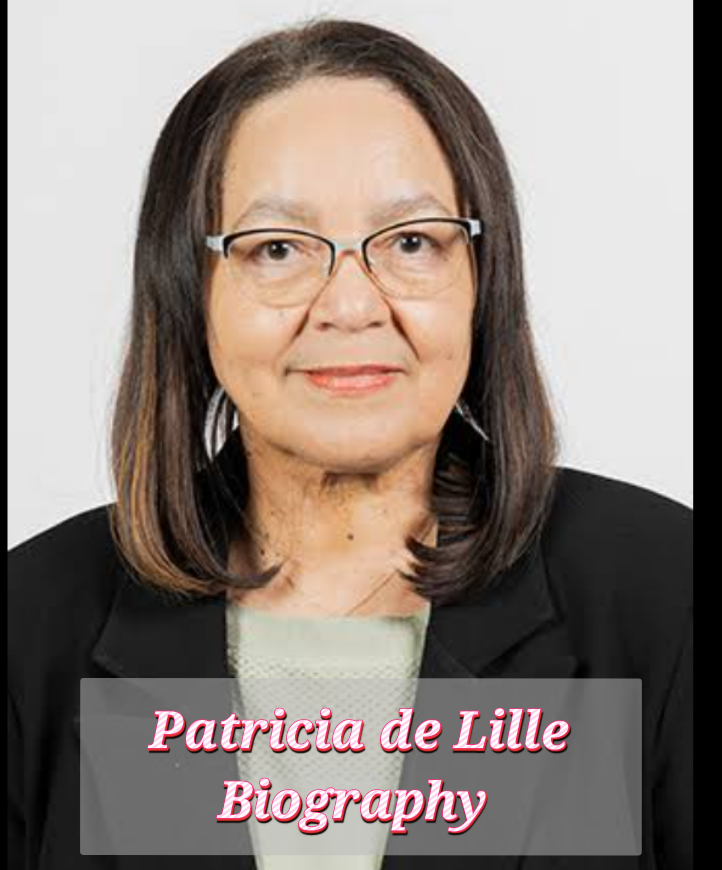
Patricia de Lille Biography
Patricia de Lille is a well-known South African politician. She serves as the Minister of Tourism and leads the GOOD political party. Born in 1951, she has spent many years working for fairness and better government. Her story shows how a person from a simple background can rise to important positions through hard work and strong beliefs.
De Lille started as a worker in a factory and a trade union member. Later, she became a member of Parliament. She then served as mayor of Cape Town. Today, she helps guide national policies in tourism. Many people respect her for speaking out against corruption and for her focus on good governance. This article shares her life story in clear and simple terms. It covers her early years, education, career steps, challenges, family life, lasting impact, and more. Readers will gain a full picture of her contributions to South Africa since the end of apartheid.
Her path includes service in different levels of government. She worked in local, provincial, and national roles. De Lille stands out as one of the first women in South Africa to start her own political party and win seats in Parliament. Her work often centers on practical issues such as service delivery, anti-corruption efforts, and economic growth. By learning about her life, readers can understand more about leadership, democracy, and public service in the country.
Patricia de Lille Early Life and Background
Patricia de Lille was born on 17 February 1951 in Beaufort West, in the Western Cape. Her birth name was Patricia Lindt. She grew up as the third of seven children in an Afrikaans-speaking Coloured family. Her father, Henry Lindt, worked as a teacher. He supported the Pan Africanist Congress, or PAC. Her mother was Gertrude Lindt. Life in Beaufort West during the apartheid years was not easy. Families faced many restrictions based on race.
The family environment gave her early lessons in politics and community. Her father’s involvement with the PAC helped shape her interest in fairness and rights for all people. She lived through the difficult times of apartheid. This period taught her about standing up for justice. Beaufort West is a small town. Growing up there meant she saw the daily effects of unfair laws on ordinary families.
As a young person, De Lille learned the value of education and community support. These early experiences prepared her for later roles where she would fight for better conditions for workers and citizens. She comes from a large family. This background likely built her sense of responsibility and teamwork. Many leaders in South Africa share similar stories of growing up under apartheid and choosing to work for change.
Patricia de Lille Education
De Lille received her primary education at the Methodist Primary School in her hometown. She completed her secondary education at Bastiaanse Hoërskool. She finished school in 1969. Later in life, she continued learning while working. In 1985, she earned a diploma in industrial relations from Damelin College.
Her education combined formal schooling with practical training. The diploma in industrial relations helped her in union work. It taught skills in dealing with workplace issues, negotiations, and employee rights. During apartheid, access to higher education was limited for many people. De Lille made the most of the opportunities she had. She used her studies to support her growing role in the labour movement.
She did not attend university for a full degree. Instead, she gained knowledge through work and short courses. This practical approach served her well in politics. Many of her later achievements came from real-world experience rather than only classroom learning. Her story highlights how determination and ongoing learning can open doors even without traditional higher education paths.
Patricia de Lille Career
De Lille began her working life in 1974 as a laboratory technician at Plascon Paints. She stayed in this job for 16 years until 1990. During this time, she became active in the South African Chemical Workers Union, known as SACWU. She started as a shop steward and rose to regional secretary. She later joined the National Executive Committee. In 1988, she became National Vice-President of the National Council of Trade Unions, or NACTU. This was a high position for a woman at that time.
In 1989, she joined the National Executive Committee of the Pan Africanist Movement. When political organisations were unbanned in 1990, she took on roles as foreign secretary and relief and aid secretary for the PAC. She entered Parliament in 1994 as a PAC member and served until 2010. During her time in Parliament, she spoke out on important issues. She was the first to raise concerns about corruption in the Arms Deal. This led to further investigations.
In 2003, she left the PAC and formed the Independent Democrats, or ID. This made her the first South African woman to start a political party that gained seats in Parliament. The ID later merged with the Democratic Alliance, or DA, in 2010. She then served as Western Cape Provincial Minister of Social Development from 2010 to 2011.
In 2011, De Lille was elected Executive Mayor of Cape Town. She won again in 2016. She became known for clean audits and many international awards for the city. Projects under her leadership included improvements in public transport like the MyCiTi bus system and efforts in water conservation. She resigned as mayor and left the DA in October 2018.
She founded the GOOD party in December 2018. In 2019, she became Minister of Public Works and Infrastructure. She served in that role until 2023. In March 2023, she was appointed Minister of Tourism. She continues to hold this position and lead the GOOD party. Her career shows movement across different parties and government levels. She has focused on governance, service delivery, and fighting corruption throughout.
Patricia de Lille Controversies
De Lille has faced public disagreements during her career. One major period involved her time with the DA. There were differences within the party. In 2018, the DA took steps to remove her as mayor. She went to court several times. She eventually resigned as mayor on 31 October 2018 and ended her DA membership. Reports from that time note agreements between the parties and legal rulings. She has stated that she chose to resign.
After leaving the DA, she started the GOOD party. Some political discussions followed about her moves and statements. These events happened in the open through media and court processes. De Lille has continued her work in government after these events. She focuses on her duties as a minister. Public records show the dates and outcomes of key decisions. Such disagreements are common in politics. They often relate to party rules, leadership styles, and policy choices.
She has addressed these matters in public statements. Her supporters point to her record of service. Critics have raised questions during those times. Official processes, including court cases, handled the main issues. De Lille has kept serving in elected and appointed roles since then.
Patricia de Lille Personal Life
De Lille married Edwin de Lille in 1972. They were together for 49 years until his death in February 2021 after a long illness. They had one son, Allistair. Some earlier reports also mention a daughter named Carmen. She has spoken about the support from her family during her busy public life. Her husband was often described as a steady support.
Family has remained important to her. She comes from a large family with six siblings. Her personal experiences, including loss, have been shared in respectful ways through interviews. She balances public duties with private life. As a woman in leadership, she has noted the challenges of combining family responsibilities with political work.
Patricia de Lille Legacy
De Lille leaves a record of long public service. She rose from factory work to national minister. She played a part in exposing corruption and pushing for better government. Her time as mayor of Cape Town brought attention to clean administration and city improvements. The city received recognition such as clean audits and international awards during her terms.
She has received honours over the years. These include a place in the Top 100 Great South Africans list in 2004. She also gained the Old Mutual South African Leadership Award for Woman Leadership. In 2006, she became the first woman named Honorary Colonel in a South African National Defence Force unit. Other recognitions came from organisations focused on HIV/AIDS work and international cities.
Her founding of the Independent Democrats and later GOOD shows her belief in new political options. She has served in all three spheres of government: local, provincial, and national. Many see her as an example of consistent focus on accountability. Younger leaders and women in politics may draw lessons from her path. Her work continues through her current role in tourism and party leadership.
Conclusion
Patricia de Lille has built a career based on service, learning, and commitment to public issues. From her start in Beaufort West to her present position as Minister of Tourism, she has shown steady progress. She worked in unions, entered Parliament, led a major city, and now serves nationally. Her story includes successes in governance and moments of political challenge.
South Africa benefits from leaders who focus on practical results and integrity. De Lille’s record offers examples in anti-corruption efforts, city management, and national policy work. As the country faces ongoing needs in economy, services, and unity, her experiences provide useful context. Readers can take away the importance of education, community roots, and determination. Her journey encourages active citizenship and principled leadership. The future will show more of her contributions in tourism and beyond.
FAQs
When and where was Patricia de Lille born?
She was born on 17 February 1951 in Beaufort West, Western Cape, South Africa.
What is Patricia de Lille’s current position?
She serves as Minister of Tourism and leader of the GOOD party.
Which parties has Patricia de Lille been part of?
She started with the PAC, then formed the Independent Democrats in 2003. She joined the DA through a merger and later founded GOOD in 2018.
What were some key achievements as Mayor of Cape Town?
During her terms from 2011 to 2018, the city earned clean audits, high credit ratings, and international awards for projects in transport, water management, and design.
Is Patricia de Lille married?
She was married to Edwin de Lille from 1972 until his death in February 2021. They had a son named Allistair.
What education does Patricia de Lille have? She completed secondary school at Bastiaanse Hoërskool in 1969 and earned a diploma in industrial relations from Damelin College in 1985.
Why did Patricia de Lille leave the DA?
She resigned as mayor and ended her membership in October 2018 after a period of party disagreements. Court cases and agreements marked this time.
What awards has Patricia de Lille received?
Her honours include a ranking in the Top 100 Great South Africans, Woman Leadership Award, and Honorary Colonel in the SANDF.
What is the GOOD party?
It is a political party founded by De Lille in December 2018. It focuses on issues such as anti-corruption, equality, and service delivery.
How long did Patricia de Lille work as a laboratory technician?
She held the position for 16 years from 1974 to 1990 at Plascon Paints.