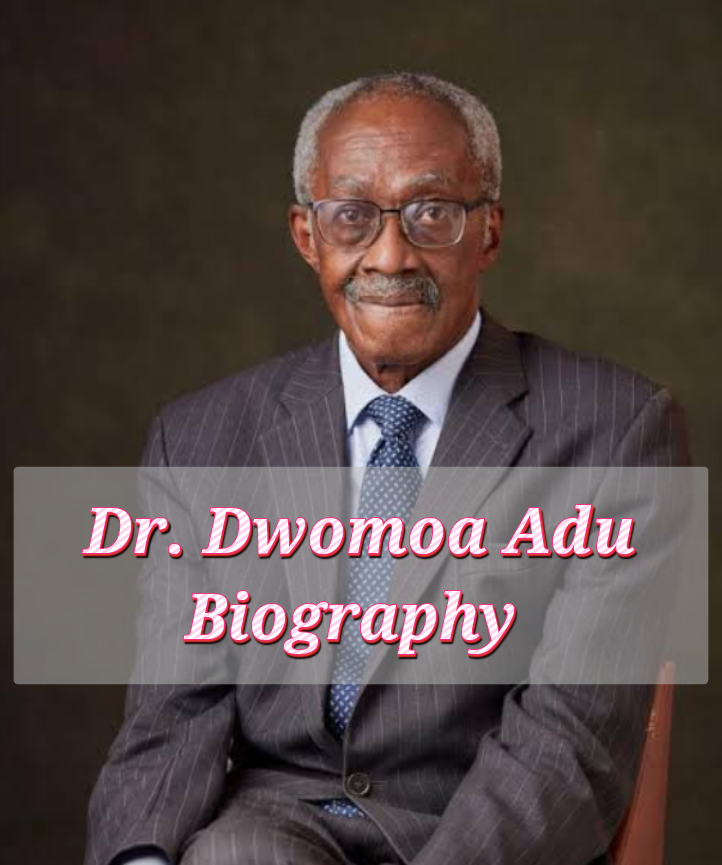
Dr. Dwomoa Adu Biography
Dr. Dwomoa Adu Mensah, also known as Dr. Jo Adu, stands as a leading figure in kidney medicine. He became the first Black consultant nephrologist in the United Kingdom. Born in Ghana, he built a career that spans two continents. His work has helped thousands of patients with kidney problems in the UK and Africa.
This article shares his story in clear and simple words. Readers will learn about his early years, training, main achievements, and lasting influence. Dr. Adu shows how one doctor can improve care for many people through skill, teamwork, and care for patients. His journey offers lessons for anyone interested in medicine or helping others.
Dr. Dwomoa Adu Early Life
Dr. Dwomoa Adu Mensah grew up in Ghana during the time when it was a British colony. Ghana gained independence in 1957, so his childhood took place in a changing nation. He received his secondary education at a boarding school that followed traditional British ways. This education prepared him well for studies abroad.
Life in Ghana at that time mixed local culture with British influences. Young Dwomoa likely saw the need for better healthcare in his country. Many people faced diseases without enough doctors or hospitals. These early experiences may have guided him toward a career in medicine. He developed a strong sense of service to his people. Details about his immediate family from childhood remain private, but his roots in Ghana stayed important throughout his life.
Dr. Dwomoa Adu Education
Dr. Adu began his medical journey in the United Kingdom in 1963. He studied medicine at the University of Cambridge. He completed his clinical training at University College Hospital in London. This top training gave him strong knowledge in general medicine.
After basic training, he gained experience on renal units in Cambridge and Oxford. These placements introduced him to kidney care. Later, he returned to Ghana and worked as a lecturer in medicine at the University of Ghana Medical School for five years. During this period, he studied acute renal failure in Ghana and earned his MD degree. His thesis focused on patterns of kidney failure common in his home country.
In 1978, he went back to the UK for more specialist training in nephrology at Guy’s Hospital in London. He worked with experts like Stewart Cameron and Chisholm Ogg. This time strengthened his skills in clinical care and research. The team approach at Guy’s Hospital left a deep impression on him. He saw how doctors, nurses, and patients could work together.
Dr. Dwomoa Adu Personal Life
Dr. Dwomoa Adu Mensah keeps much of his personal life away from public view. Available records focus on his professional work rather than family details. He maintains strong ties to Ghana and returned there after many years in the UK. This move shows his commitment to his roots and desire to help his country.
He is known for treating patients with respect and kindness. Colleagues describe him as calm, dedicated, and focused on humanity. In interviews, he speaks warmly about patients from the Black Country in England. He learned from their honesty and loyalty. Dr. Adu values dignity for every person, no matter their background. He has mentored many young doctors and encourages them to follow their goals with courage.
Dr. Dwomoa Adu Net Worth
Public information about Dr. Dwomoa Adu Mensah net worth is not available. Like many senior doctors and researchers, his earnings likely came from medical practice, teaching positions, and research grants. He has held consultant roles in the UK National Health Service and senior positions in Ghana. No official figures on wealth appear in reliable sources. Discussions about his success center on medical impact rather than financial details.
Dr. Dwomoa Adu Career
Dr. Adu built an impressive career in kidney medicine. In 1981, he became a consultant nephrologist at the Queen Elizabeth Hospital in Birmingham. He joined Jonathan Michael, later known as Sir Jonathan Michael. Together, they developed one of the largest and best kidney units in the UK.
At that time, dialysis was not offered to all who needed it. Rules sometimes excluded patients with diabetes or other conditions. Dr. Adu and his colleague worked hard to change this. They expanded access to care. They introduced continuous ambulatory peritoneal dialysis, or CAPD. This method helped many more patients. Birmingham opened satellite dialysis units to make treatment easier for people living farther away.
Dr. Adu took part in important advocacy. He spoke on radio about a patient with diabetes who needed dialysis. His words helped change policies quickly. He served on committees at the Royal College of Physicians. He advised on training and equal opportunities. He also contributed to the Renal Association, now the UK Kidney Association. He helped shift its focus toward better patient care and policy work.
His research covered lupus nephritis, ANCA vasculitis, and genetics of kidney disease. He has published many papers and earned thousands of citations. After retiring from the NHS, he returned to Ghana in 2009. He took up roles as Honorary Consultant Nephrologist at Korle Bu Teaching Hospital and Senior Research Fellow at the University of Ghana Medical School.
In Ghana, he helped build training programs for new nephrologists. He supported the growth of dialysis services. He plays a key role in the H3Africa Kidney Research Network. This work studies genetic factors in kidney disease among African people and those in the diaspora. He has also served as president of the African Association of Nephrology.
Dr. Dwomoa Adu Controversies
No major controversies or scandals appear in public records about Dr. Dwomoa Adu Mensah. His career shows consistent focus on patient care, research, and training. He has spoken openly about challenges related to ethnicity in medicine. However, he chooses to focus on his work and helping others rather than personal grievances. He has served on equal opportunities groups and pushed against unfair practices in a calm and professional way.
Dr. Dwomoa Adu Legacy
Dr. Adu leaves a strong legacy in kidney care. He opened doors as the first Black consultant nephrologist in the UK. His efforts improved dialysis services for many patients who might otherwise have been turned away. The kidney unit he helped build in Birmingham remains a model of high quality care.
In Ghana and Africa, his training programs and research continue to save lives. Younger doctors learn from his example of dedication and teamwork. His work on genetics, such as APOL1 variants, helps explain why some groups face higher risks of kidney disease. This knowledge supports better prevention and treatment.
In 2025, he received the Order of the British Empire (OBE) for services to kidney disease treatment in the UK and overseas. He also earned the first Lifetime Achievement Award from the UK Kidney Association. These honors recognize decades of quiet, effective service.
His story inspires doctors from all backgrounds. It shows that skill, compassion, and persistence matter more than barriers. Many colleagues praise his intellect, kindness, and focus on evidence based care.
Conclusion
Dr. Dwomoa Adu Mensah has dedicated his life to kidney medicine and patient welfare. From his early training in the UK to his later work in Ghana, he has improved healthcare systems and trained future leaders. His achievements prove that one person can create change across countries and generations. Readers can take away the importance of hard work, teamwork, and care for others. As kidney disease continues to affect millions worldwide, the foundation he helped build will support ongoing progress. His life encourages everyone to pursue excellence while serving humanity.
FAQs
Who is Dr. Dwomoa Adu Mensah?
He is a Ghanaian nephrologist known as the first Black consultant in this field in the United Kingdom. He has worked in both the UK and Ghana.
When did Dr. Adu become a consultant?
He was appointed in 1981 at the Queen Elizabeth Hospital in Birmingham.
What is his main area of work?
He specializes in kidney diseases, including lupus nephritis, vasculitis, and chronic kidney disease in African populations.
Where does he work now?
He serves as Honorary Consultant at Korle Bu Teaching Hospital and Senior Research Fellow at the University of Ghana Medical School.
Has he received any awards?
Yes. He received an OBE and the first UK Kidney Association Lifetime Achievement Award.
What is his contribution to Africa?
He helped develop nephrology training and research programs. These efforts expand dialysis access and study genetic causes of kidney disease.
Why is he important in medical history?
He broke barriers, improved patient access to care, and built international links in nephrology.