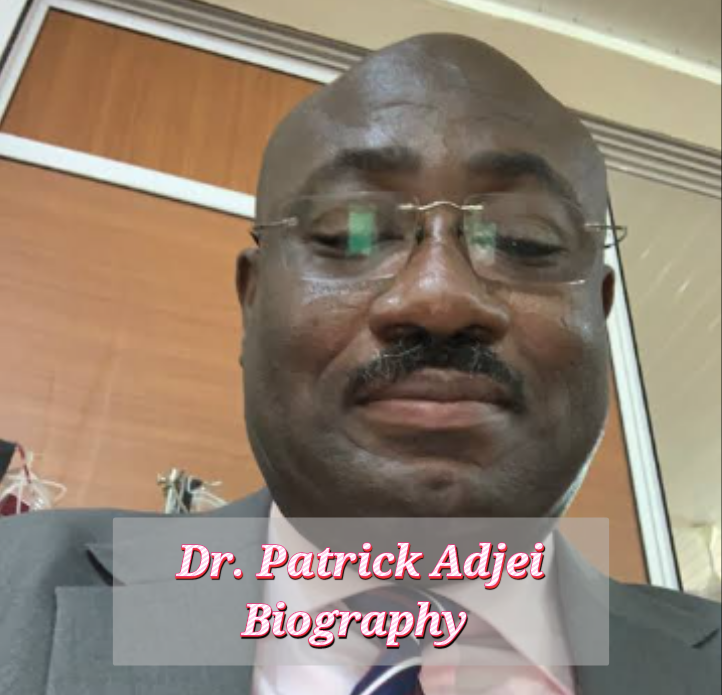
Dr. Patrick Adjei Biography
Dr. Patrick Adjei is a well known doctor in Ghana. He serves as a professor of medicine with a focus on neurology. Many people respect him as an epileptologist. This means he has special knowledge about epilepsy. He works at the University of Ghana and Korle Bu Teaching Hospital in Accra.
His work helps many patients with brain and nerve problems. He also leads research projects that study epilepsy in Ghana and other parts of Africa. Through his efforts, he teaches doctors, helps patients, and works to reduce wrong ideas about epilepsy.
This article shares simple facts about his life and work. It covers his early years, education, career, and contributions. Readers will learn how one dedicated doctor makes a big difference in healthcare. All information comes from public records and reports up to 2026.
Dr. Patrick Adjei Early Life
Public details about Dr. Patrick Adjei’s early life remain limited. Like many professionals, he keeps some personal history private. He grew up in Ghana during a time when the country worked hard to improve its medical services.
Young Patrick likely saw the need for good doctors in his community. Many families in Ghana faced health challenges with limited access to specialists. These early experiences may have inspired him to study medicine and later focus on neurology.
He developed a strong interest in how the brain works and how diseases like epilepsy affect daily life. His journey from a young student in Ghana to a leading expert shows the power of education and hard work. Exact dates and places from his childhood are not widely published, but his later success clearly builds on strong early foundations in learning and service.
Dr. Patrick Adjei Education
Dr. Patrick Adjei received solid training in medicine. He earned his basic medical degree in Ghana. He then pursued advanced studies in neurology and clinical neuroscience.
He holds a PhD in Clinical Neuroscience. He also earned an MSc degree. These qualifications prepared him well for complex work with brain conditions. His training included work on epilepsy, brain wave tests known as EEG, and other nerve related skills.
He continued learning through research and international projects. For example, he took part in studies with teams from universities in other countries. This education helped him become a teacher himself at the University of Ghana Medical School. He trains new doctors and shares knowledge about neurological diseases.
His academic path shows a clear focus on both treating patients and finding new knowledge through research. He uses what he learned to solve real problems in Ghanaian hospitals.
Dr. Patrick Adjei Personal Life
Dr. Patrick Adjei keeps his family life private. Public sources do not share many details about his wife, children, or daily home life. This choice is common for many doctors who prefer to focus attention on their medical work.
Reports mention celebrations such as his 50th birthday in professional circles. Colleagues at Korle Bu Teaching Hospital recognized his support for medical union activities. These notes show he builds good relationships with other health workers.
He balances a demanding career with personal responsibilities. His dedication to patients and research takes much time, yet he remains active in his field for many years. Respect for privacy helps him maintain focus on public health contributions.
Dr. Patrick Adjei Net Worth
No public information gives exact details about Dr. Patrick Adjei’s net worth. As a professor and senior doctor in a teaching hospital, he earns a good salary from his roles at the University of Ghana and Korle Bu Teaching Hospital.
Doctors with his level of experience and leadership usually receive standard pay for senior medical positions in Ghana plus any research grants or allowances. He likely enjoys a comfortable life that supports his work and family.
Estimates of personal wealth for professionals like him are not published or verified. It is best to focus on his professional value rather than money. His real worth lies in the many patients he helps and the knowledge he shares.
Dr. Patrick Adjei Career
Dr. Patrick Adjei built an impressive career step by step. He works as an Associate Professor or Professor of Medicine in Neurology at the University of Ghana Medical School. He also heads the Department of Medicine and Therapeutics at Korle Bu Teaching Hospital.
His daily work includes seeing patients with epilepsy and other nerve problems. He uses tools like EEG to understand brain activity. He manages conditions such as status epilepticus, which needs quick medical care. He also applies treatments like botulinum toxin when needed.
He leads important research. One major project is the Epilepsy Pathway Innovation in Africa (EPInA). As the lead researcher for Ghana, he studies how to improve epilepsy care, reduce stigma, and collect better data. His team works with partners in Ghana and other countries.
He publishes many research papers. Topics include beliefs about epilepsy in northern Ghana, stigma faced by patients, and ways to screen for the condition in local languages. By 2025 and 2026, he continued producing new studies on lived experiences of epilepsy patients and other health topics.
He holds leadership positions. These include membership in the National Epilepsy Coordinating Committee and the Ghana Fight against Epilepsy Initiative. He also connects with the International League Against Epilepsy. In recent years, he received election as a Fellow of the Royal College of Physicians. This honor recognizes his high standards in medicine.
Dr. Adjei teaches medical students and young doctors. He speaks at public events to educate Ghanaians about epilepsy. He explains that around 300,000 people in Ghana live with epilepsy. He stresses that stigma, not lack of medicine, often stops people from getting treatment.
His career focuses on practical solutions. He encourages patients to seek proper care at hospitals instead of relying only on other methods. He works to make neurological services better across Ghana.
Dr. Patrick Adjei Controversies
Public records show no major controversies or scandals linked to Dr. Patrick Adjei. He maintains a clean professional reputation focused on science and patient care.
His public statements stay on medical facts and calls for better support for epilepsy patients. He speaks against stigma in a respectful way. No reports of legal issues, professional complaints, or public disputes appear in available news or academic sources up to 2026.
This clean record allows him to build trust with patients, colleagues, and international partners.
Dr. Patrick Adjei Legacy
Dr. Patrick Adjei’s legacy grows through his many contributions. He helps reduce suffering from epilepsy in Ghana. His research provides data that can guide government health policies.
He trains the next generation of doctors. Many young neurologists learn from his methods and patient approach. His work on stigma changes how communities view brain disorders. More people now understand epilepsy as a medical condition that needs treatment and support.
Through projects like EPInA, he improves data collection and care pathways. This benefits not only Ghana but also other African countries. His publications add to global knowledge about epilepsy in low resource settings.
He promotes the idea that anyone can develop epilepsy. This message encourages kindness and proper medical care instead of fear or rejection. His leadership at Korle Bu and the University of Ghana strengthens the country’s medical system.
Future doctors and researchers will likely build on his foundation. His focus on both treatment and prevention sets a good example for public health work in Africa.
Conclusion
Dr. Patrick Adjei stands as a dedicated neurologist and professor who improves lives in Ghana. From his advanced education to his leadership roles, he shows what consistent hard work can achieve. He treats patients, conducts useful research, teaches others, and fights harmful stigma around epilepsy.
His story reminds us that good healthcare needs both skilled doctors and community understanding. While challenges like limited specialists remain, professionals like Dr. Adjei make steady progress.
Readers can learn from his example of service. Support for epilepsy awareness and medical research helps build a healthier society. Dr. Adjei’s work continues to guide better care for neurological conditions in Ghana and beyond.
FAQs
Who is Dr. Patrick Adjei?
Dr. Patrick Adjei is a professor of medicine and a neurologist in Ghana. He specializes in epilepsy and works at Korle Bu Teaching Hospital and the University of Ghana.
What does an epileptologist do?
An epileptologist is a doctor with extra training in epilepsy. They diagnose the condition, manage seizures, and help patients live better lives.
Where does Dr. Patrick Adjei work?
He mainly works at Korle Bu Teaching Hospital and the University of Ghana Medical School in Accra. He heads the Department of Medicine and Therapeutics.
What research does he do?
He studies epilepsy in Ghana, ways to reduce stigma, patient experiences, and better screening methods. He leads the Ghana part of the EPInA research project.
How many people in Ghana have epilepsy?
Reports from Dr. Adjei and others estimate around 300,000 Ghanaians live with epilepsy. Many do not receive proper treatment due to stigma.
Has Dr. Adjei received any awards?
Yes. He earned Fellowship of the Royal College of Physicians. Colleagues also recognize his leadership and teaching contributions.
Why is stigma important in epilepsy care?
Stigma makes people hide their condition and avoid hospitals. Dr. Adjei explains that fear and discrimination create bigger problems than lack of medicine in some cases.
Can epilepsy be treated?
Yes. Medicines available under Ghana’s National Health Insurance Scheme can control seizures for many patients. Early medical care gives the best results.
What advice does Dr. Adjei give?
He urges people with epilepsy to seek care from trained doctors. He also calls on communities to support patients instead of avoiding them.
How can I learn more about his work?
Search for his name on university websites, Google Scholar, or ResearchGate. You can also follow updates from Korle Bu Teaching Hospital or epilepsy awareness groups in Ghana.