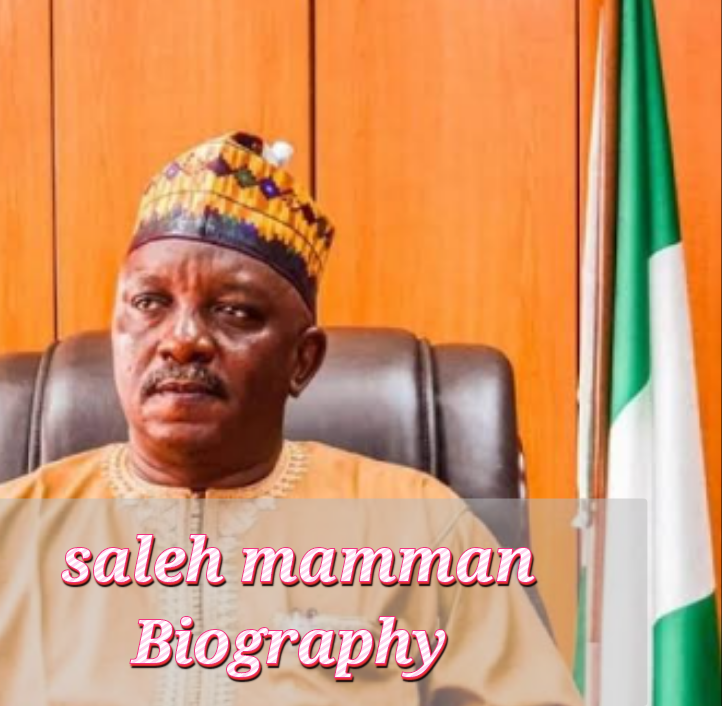
Saleh Mamman Biography
Saleh Mamman is a Nigerian engineer and politician. He served as the Minister of Power from August 2019 to September 2021 under former President Muhammadu Buhari. Born on 2 January 1958 in Taraba State, he built a long career in teaching and civil service before entering national politics. In May 2026, a court sentenced him to 75 years in prison for money laundering involving funds meant for power projects. This article tells his full story in simple words. It covers his early years, work, time in government, and what happened after. Readers will learn important lessons about public service in Nigeria.
Saleh Mamman Early Life
Mamman Kwagyang Saleh was born on 2 January 1958 in Taraba State, in northeastern Nigeria. He grew up in a region known for its diverse communities and rich farming land. Like many young people at that time, he saw the value of education and hard work from an early age.
Taraba State shaped his early experiences. Life there taught him about community needs and practical skills. Details about his family background remain private, but his journey shows a focus on technical education to improve his life and help others. He started working soon after finishing basic studies. This practical start helped him understand real-world problems in engineering and public service.
His early life prepared him for roles that required both knowledge and patience. Nigeria in the 1970s and 1980s faced many challenges, including limited electricity in rural areas. These experiences likely influenced his later interest in the power sector. He moved through different stages with a clear goal to serve in technical fields.
Saleh Mamman Education
Saleh Mamman received solid technical training. He earned a Higher National Diploma in Electrical and Electronics Engineering from Kaduna Polytechnic in 1988. This qualification gave him strong skills in electrical systems, which became central to his career.
Later in life, he continued learning. In 2015, he obtained a Master of Business Administration from Bayero University Kano. This MBA helped him combine technical knowledge with management skills. Some reports mention additional diplomas and postgraduate studies in electrical engineering and business management from the same university between 2000 and 2015.
His education followed a step-by-step path. First came practical engineering training, then business and management knowledge. This mix proved useful when he later managed large government projects. Kaduna Polytechnic and Bayero University Kano played key roles in building his foundation. Many Nigerian engineers follow similar paths to gain both hands-on and leadership skills.
Saleh Mamman Personal Life
Saleh Mamman is a family man. He is known as a husband and father. Public records do not share many private details about his wife or children to respect their privacy. He comes from Taraba State and maintains strong ties to his home area.
Outside work, he has interests in community matters and public service. As an APC member, he stayed active in politics even after leaving office. Reports from early 2026 mentioned his interest in Taraba State governorship matters before the court case. He describes himself as an engineer, politician, and public servant.
His personal life shows a balance between family and public duties. Like many Nigerian leaders, he values roots in his state while serving at the national level.
Saleh Mamman Net Worth
Public information on Saleh Mamman’s exact net worth remains limited and often unverified. No official figure exists from government or court records. Some online sources make estimates, but these lack confirmed proof. As a former minister and civil servant, his earnings came from salaries, pensions, and possible business activities before and after public service.
Readers should treat net worth claims with care. Nigerian public officials declare assets, but full details are not always public. The focus remains on his service record rather than personal wealth. Court cases involving public funds often lead to asset reviews, but specific outcomes for his case appear in official judgments.
Saleh Mamman Career
Saleh Mamman started his career in 1981 as a teacher at Technical School in Mubi, Adamawa State. He taught technical subjects and shared his engineering knowledge with students. In 1992, he moved his service to Taraba State. There, he worked in the civil service and rose to the position of assistant director in the Ministry of Works. He retired from that role in 2002.
His early jobs gave him direct experience in education and government works. He also served in other positions, such as acting head of works in Jalingo Local Government in the early 1980s. These roles built his reputation as a reliable technical officer.
After retirement, he stayed active in professional and political circles. His membership in the All Progressives Congress led to his nomination as a minister in 2019. President Muhammadu Buhari appointed him as Minister of Power on 21 August 2019. He took over a key sector that supplies electricity to Nigeria’s growing population.
As minister, he oversaw agencies responsible for generating, transmitting, and distributing power. He worked on major projects like the Mambilla and Zungeru Hydroelectric Power Plants. These initiatives aimed to increase Nigeria’s electricity supply. His tenure ended in a cabinet reshuffle on 1 September 2021, when President Buhari replaced him with Abubakar Aliyu.
Saleh Mamman Controversies
The main controversy in Saleh Mamman’s public life centers on allegations of financial misconduct during his time as minister. In July 2024, the Economic and Financial Crimes Commission arraigned him on a 12-count charge of conspiracy and money laundering involving 33.8 billion naira. The funds related to the Mambilla and Zungeru Hydroelectric Power projects.
The EFCC claimed that he and others converted public money through private companies and other means. Mamman pleaded not guilty. The trial took place at the Federal High Court in Abuja before Justice James Omotosho. On or around 7 May 2026, the court convicted him on all counts. On 13 May 2026, the judge sentenced him to 75 years in prison with consecutive terms and ordered asset forfeiture. He was tried in absentia as he could not be located at the time of sentencing.
Security agencies received orders to arrest him, and Interpol became involved. This case forms part of broader efforts to address corruption in public projects. The power sector has faced many challenges, and such cases draw public attention because reliable electricity remains important for Nigeria’s development. Mamman has not made public statements on the final judgment in available reports.
Saleh Mamman Legacy
Saleh Mamman’s legacy includes both his technical background and the outcomes of his ministerial tenure. He entered office with engineering experience and a goal to improve power supply. During his time from 2019 to 2021, the government continued work on hydroelectric projects. However, many Nigerians still faced frequent power outages.
His story highlights the importance of accountability in government. As one of the ministers under President Buhari to face conviction, the case adds to discussions about transparency in large infrastructure projects. Supporters in Taraba State remember his service and community ties. Critics point to the gap between planned power improvements and actual results.
Future leaders can learn from this biography about the need for clear records and careful management of public funds. Nigeria’s power sector still needs steady progress to support homes, businesses, and industries.
Conclusion
Saleh Mamman rose from a technical teacher in 1981 to Nigeria’s Minister of Power in 2019. His education in engineering and business supported a career in public service. Born on 2 January 1958 in Taraba State, he dedicated many years to education, civil service, and national duty. His tenure focused on key hydroelectric projects aimed at solving electricity shortages. In 2026, a court convicted and sentenced him to 75 years for money laundering related to project funds.
This biography shows the different stages of one man’s public journey. It reminds readers that public office comes with great responsibility. Nigeria continues to work toward better power supply and stronger systems to prevent misuse of funds. Mamman’s story adds to the country’s records of leaders who served in important roles. Steady progress in electricity and good governance will help build a stronger future for all citizens.
FAQs
Who is Saleh Mamman?
Saleh Mamman is a Nigerian engineer and former Minister of Power. He served from August 2019 to September 2021. He was born on 2 January 1958 in Taraba State.
When and where was Saleh Mamman born?
He was born on 2 January 1958 in Taraba State, Nigeria. He is 68 years old as of 2026.
What is Saleh Mamman’s educational qualification?
He holds a Higher National Diploma in Electrical and Electronics Engineering from Kaduna Polytechnic (1988) and an MBA from Bayero University Kano (2015).
What projects did he oversee as Minister of Power?
He worked on the Mambilla and Zungeru Hydroelectric Power projects during his tenure. These aimed to increase electricity generation in Nigeria.
What happened to Saleh Mamman in 2026?
On 13 May 2026, a Federal High Court in Abuja sentenced him to 75 years in prison after convicting him on 12 counts of money laundering involving 33.8 billion naira. The case relates to funds for power projects. He was sentenced in absentia.
Why is the Saleh Mamman case important?
It shows efforts to fight corruption in major government projects. Reliable power supply remains a big need in Nigeria, and cases like this affect public trust.
Is Saleh Mamman still active in politics?
Before the final judgment, reports noted his links to Taraba State politics. His current status follows the court decision.